

Whatever You Need to Know About the Telc B1 Certificate in German
The Telc B1 Certificate is a commonly recognized language accreditation that demonstrates proficiency in the German language at an intermediate level. Used by telc (The European Language Certificates), the accreditation is well-regarded amongst employers, universities, and immigration authorities across German-speaking nations and Europe as a whole. If you are learning German for work, school, or residency functions, the Telc B1 Certificate could be a valuable possession. This article will explore what the accreditation involves, why it's essential, and how you can prepare for the exam.
What Is the Telc B1 Certificate?
The Telc B1 Certificate represents Level B1 of the Common European Framework of Reference for Languages (CEFR). At this level, you are expected to be an independent user of the German language. Specifically, you should be able to:
Understand and use everyday expressions and standard phrases in familiar contexts.
Interact needs, viewpoints, and ideas in a clear and structured way.
Manage standard discussions in work, school, and leisure settings.
Comprehend composed texts associated to familiar topics.
Compose simple, meaningful texts, such as emails, personal letters, or brief essays.
The Telc B1 Certificate is frequently required for numerous professional and individual efforts, consisting of task applications in German-speaking areas, registration in academic programs, and citizenship or residency applications in Germany.
Why Is the Telc B1 Certificate Important?
Obtaining the Telc B1 Certificate can open numerous doors, especially if you're planning to live, work, or research study in Germany, Austria, or Switzerland. Here are some of the essential reasons why the certificate is so significant:
Residency and Citizenship in Germany
For many immigration procedures, consisting of long-term residency and naturalization in Germany, evidence of language efficiency at the B1 level is mandatory. The Telc B1 Certificate is frequently among the accepted certificates for fulfilling this requirement.
telc zertifikat b1 in German-speaking regions look favorably upon candidates who have formal proof of language abilities. The B1 level indicates that you can manage standard communication in expert settings-- an important possession for task applicants.
Education
If you're planning to go to a trade training program or a greater education course that requires intermediate German proficiency, the Telc B1 Certificate may be a necessary qualification.
Standardized Proof of Skills
Unlike casual language evaluations, the Telc B1 Certificate uses standardized proof of your German abilities, which is worldwide acknowledged.
The Structure of the Telc B1 Exam
To earn the Telc B1 Certificate, you need to pass the Telc B1 exam. The exam evaluates all four language skills-- listening, reading, writing, and speaking. Here's a breakdown of the exam structure:
Listening (Approx. 20 minutes).
sprachzertifikat b1 will listen to short dialogues or monologues and respond to questions about them. The jobs aim to evaluate your capability to comprehend general concepts in addition to specific information in spoken texts.
Checking Out (Approx. 45 minutes).
This area includes reading a series of texts, such as advertisements, e-mails, and brief articles, followed by multiple-choice or true/false concerns to examine understanding.
Composing (Approx. Thirty minutes).
You will compose a brief, coherent text, such as a letter, an email, or a short essay, based on specific prompts.
Speaking (Approx. 15 minutes).
The speaking section is performed in pairs or little groups. It includes tasks like introducing yourself, explaining a topic, and having a short conversation or discussion with your speaking partner( s).
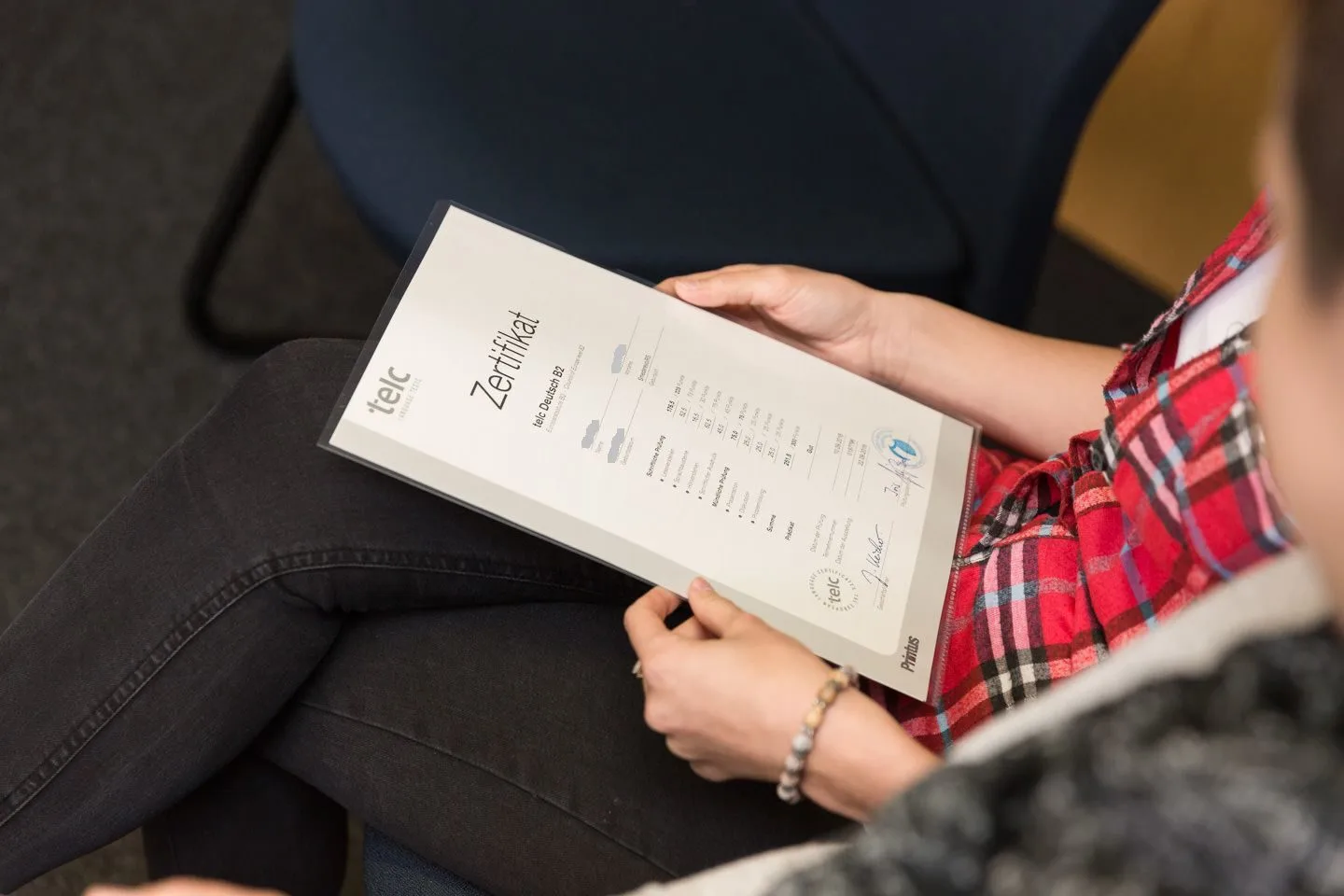
The exam is divided into two parts: the written exam (that includes listening, reading, and composing) and the oral exam (speaking). Prospects need to show proficiency in both areas to pass.
Preparation Tips for the Telc B1 Exam.
Preparing yourself for the Telc B1 exam needs a mix of structured study and practical application of your German abilities. Here are some tips to assist you prepare:.
Familiarize Yourself With the Exam Format.
Practice sample tests available on the main Telc site or other language learning platforms. Comprehending the structure and timing of the exam will help you feel more confident on test day.
Practice All Four Skills.
Designate time to improving your listening, reading, composing, and speaking skills. Think about using language finding out apps, books, and online resources created for B1-level learners.
Take a Course.
If you feel you need guidance, enrolling in a preparatory course can be highly useful. Lots of language schools offer specialized courses that focus on preparing trainees for the Telc B1 exam.
Immerse Yourself in German.
Enjoy German TV shows, listen to podcasts, and check out books or news article to improve your understanding skills. Practice speaking with native speakers or join language exchange groups to construct your self-confidence.
Concentrate On Everyday Communication.
The B1 exam emphasizes practical usage of the language, so focus on real-life scenarios pertinent to everyday life, work, and travel.
Where and How to Take the Telc B1 Exam.
Telc exams are conducted at licensed test centers worldwide. To sign up, check out the main Telc site or contact an acknowledged test center near you. The registration procedure normally includes providing your individual information, choosing a test date, and paying the exam charge, which can vary depending on the place.
Final Thoughts.
The Telc B1 Certificate in German is a crucial milestone for learners aiming to accomplish intermediate efficiency in the language. Whether you are pursuing career opportunities, academic studies, or immigration goals, the certificate can serve as a valuable credential that showcases your skills. With consistent preparation and practice, passing the Telc B1 exam is an attainable goal for inspired students. Make the most of the wealth of resources offered, and you'll be one step better to fluency in German and unlocking opportunities in German-speaking countries!