

How to Obtain a B1 Certificate Without an Exam: Is It Possible?
The B1 Certificate, also referred to as an intermediate-level accreditation in many language testing systems (such as CEFR - Common European Framework of Reference for Languages), is a crucial turning point for individuals looking to show their ability to interact efficiently in a foreign language. It is frequently needed for functions such as work, study, immigration, or citizenship applications. Nevertheless, the idea of obtaining a B1 Certificate without taking an exam is attracting, and this short article dives into whether this is possible and what alternatives exist.
What is a B1 Certificate?
A B1 Certificate represents that an individual has reached an intermediate level of language proficiency. At this level, a person should be able to:
Understand and produce uncomplicated, clear speech and text on familiar topics.
Deal with most situations likely to arise while taking a trip in locations where the language is spoken.
Describe experiences, events, dreams, aspirations, and opinions briefly.
Communicate with native speakers without extreme strain.
The B1 exam generally includes skills such as reading, composing, listening, and speaking, and the format might vary depending on the accreditation body (e.g., Cambridge English, Goethe-Institut, DELF, etc).
Can You Really Obtain a B1 Certificate Without an Exam?
The brief response is no-- most internationally acknowledged B1 accreditations need candidates to pass an exam. goethe zertifikat kaufen like Cambridge Assessment English, Goethe-Institut, and the Alliance Française keep strenuous screening standards to ensure their certifications accurately show a person's language efficiency.
Nevertheless, there are alternative paths and exceptions that might enable somebody to demonstrate a B1-equivalent level of proficiency without sitting for a traditional exam:
Recognition of Prior Learning (RPL).
Sometimes, universities, employers, or migration authorities might accept other types of proof of language proficiency instead of an official exam. This could consist of:.
Proof of attendance in a language course that licenses your level.
Evidence of living, studying, or operating in an environment where the language is spoken with complete confidence.
Documentation showing previous language certifications similar to the B1 level.
Certificates Through Alternative Assessments.
Some online platforms or academic programs provide certificates of conclusion for language courses. These certificates might indicate a specific CEFR level (e.g., A2, B1, or B2). While not an official B1 exam, such credentials might be accepted by particular organizations as proof of language ability.
Internal Language Assessments by Employers or Universities.
If you're making an application for a task or university admission, the employer or academic institution may evaluate your language abilities internally through their own evaluations or interviews, instead of requiring a main exam.
Language Waivers for Long-Term Residents.
In some immigration cases, long-term homeowners of a country or people married to native speakers might be exempt from taking official exams. Authorities may request proof of combination into society or everyday communication abilities rather.
Why Taking the Exam is Still the Best Option.
Although the concept of bypassing a formal exam is tempting, the B1 exam serves an unique and important purpose: it objectively evaluates your skills. Here's why taking the exam is typically the much better option:.
Worldwide Recognition: Certificates from authorities like Cambridge or Goethe-Institut are reputable worldwide and provide confidence to employers, universities, or immigration officials.
Individual Confidence: Successfully passing an exam is concrete evidence of your abilities and is an excellent incentive for future development.
No Room for Doubts: When you can supply an official B1 Certificate, there's no need to convince anybody of your language proficiency.
How to Prepare for the B1 Exam.
If you choose to take the formal exam, here are some tips to guarantee success:.
Study Consistently.
Dedicate routine time to study, focusing on all language skills (listening, speaking, reading, and writing).
Take a Preparation Course.
Enlist in a language course specifically created to prepare you for a B1 exam. These courses help you familiarize yourself with the structure and expectations of the test.
Practice with Sample Tests.
Many accreditation bodies offer online sample papers and practice materials that reproduce the format and difficulty of the test.
Immerse Yourself in the Language.
Surround yourself with the language: watch motion pictures, read books, listen to podcasts, and engage in discussions with native speakers.
Make Use Of Online Resources.
Platforms like Duolingo, Babbel, or complimentary resources from official exam sites are exceptional tools for language knowing.
Conclusion.
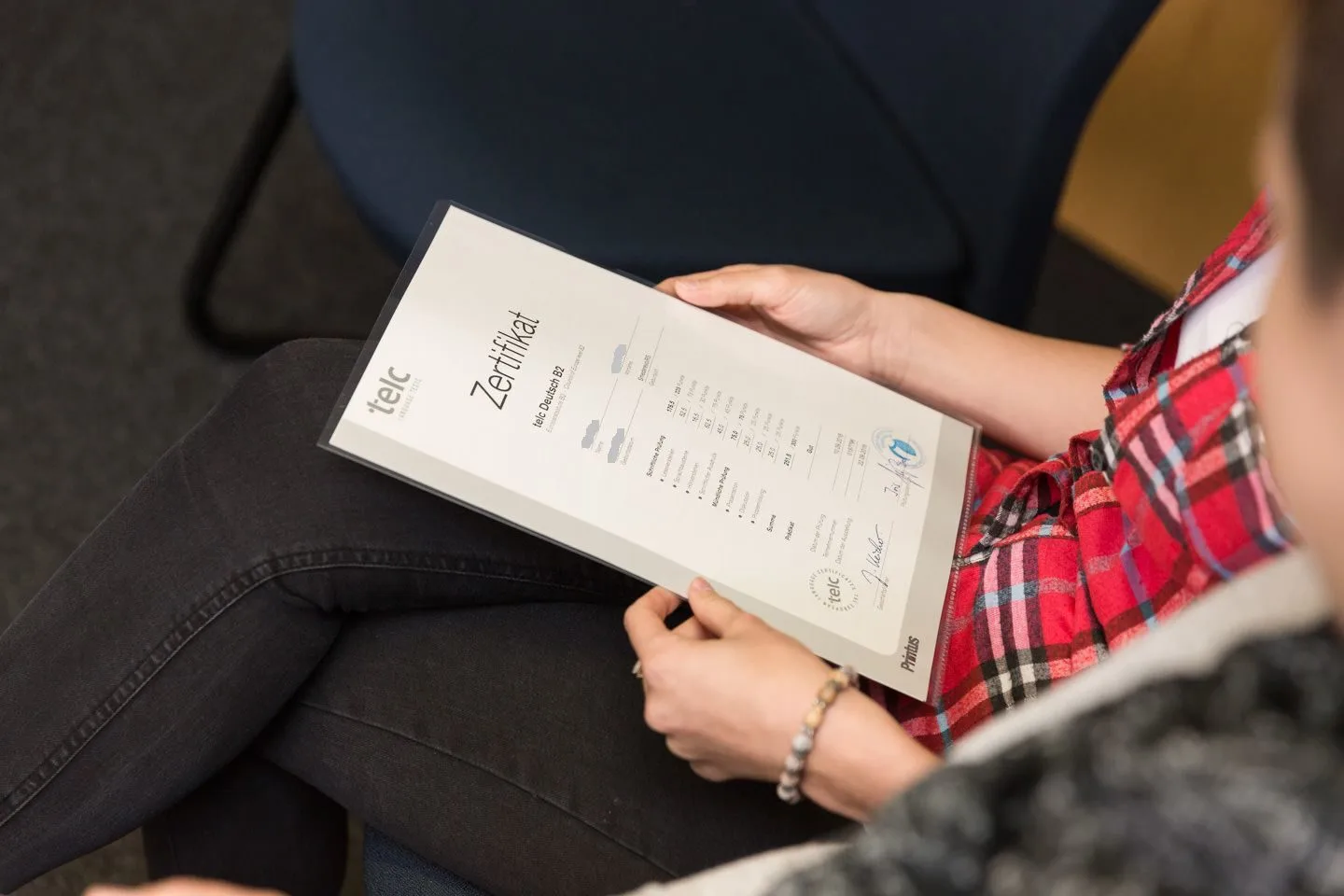
While it might seem appealing to obtain a B1 Certificate without an exam, it's not likely to meet the requirements of the majority of official circumstances. Recognized accreditations need a formal exam to make sure consistency and dependability in proficiency requirements. Exploring alternative paperwork might work in restricted situations, but passing the exam remains the finest, most reliable option for confirming your language abilities on a worldwide level.
If you're getting ready for a B1 exam, don't shy away from the challenge. Consider it as an opportunity to enhance yourself, gain self-confidence, and further your individual or professional aspirations. With the right preparation, you'll quickly have that coveted B1 Certificate in hand!